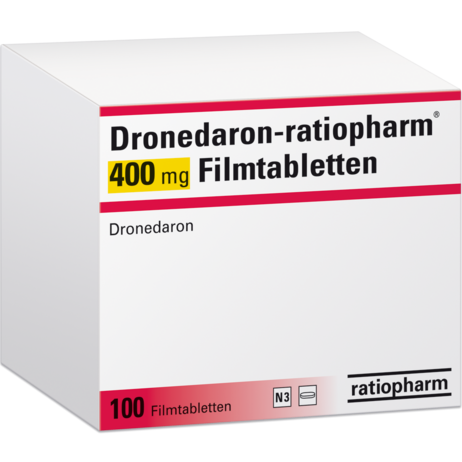
Dronedarone is a medication utilized in the control of heart rhythm disorders. This comprehensive review delves into the pharmacology, efficacy, and safety of dronedarone.
- Furthermore, it explores the conditions where dronedarone is prescribed, situations where its use is avoided, and possible effects on the interaction with other drugs.
- Finally, this review serves as a helpful guide for healthcare professionals and patients seeking to understand dronedarone.
Understanding Dronedaron 400 (Multaq) learning about
Dronedaron 400, also known as Multaq, is a prescription medication commonly prescribed to treat atrial fibrillation. It functions through blocking certain ion channels in the heart, which supports in regulating the heartbeat and reducing the risk of blood clots. Individuals with atrial fibrillation often experience irregular heart rhythms, and Dronedaron 400 can help maintain a more predictable rhythm.
- Keep in mind to always consult with a healthcare professional before starting or stopping any medication.
- Adhere to your doctor's instructions regarding dosage and frequency of use.
- Be mindful of potential side effects and communicate any unusual symptoms to your doctor immediately.
Utilizing Dronedarone for Atrial Fibrillation
Dronedarone is a medication commonly/frequently/often used to manage/treat/control atrial fibrillation (AFib), a common heart rhythm disorder. It functions by/acts through/works via blocking certain electrical/nerve/signal pathways in the heart/cardiac muscle/atria, helping to regulate/restore/maintain a normal heartbeat/rhythm/pulse. While dronedarone offers/provides/presents benefits for some individuals with AFib, it's important to carefully consider/thoroughly evaluate/fully understand the potential risks and benefits in consultation with/under the guidance of/through discussion with your healthcare provider/physician/doctor.
- Some/Potential/Possible side effects of dronedarone include/may encompass/can range from
- Gastrointestinal issues/Nausea and vomiting/Stomach upset
- Arrhythmias/Abnormal heart rhythms/Irregular heartbeat
- Liver problems/Hepatotoxicity/Damage to the liver
What is Multaq used for
Multaq is a/represents/contains a medication utilized for/to treat/in the management of atrial fibrillation, a heart rhythm disorder. It operates by blocking certain electrical signals in the heart, thus helping to regulate/controlling/stabilizing the heart rate and rhythm. The standard/typical/recommended dosage varies/depends on/fluctuates based on individual requirements/needs/factors. Always/It is crucial/Be sure to consult with your physician or pharmacist to determine/regarding/about the appropriate dosage for your specific situation.
Potential/Common/Possible side effects of Multaq include/may encompass/can consist of dizziness, nausea, headache, and fatigue. In rare instances, more serious/severe/significant side effects might occur/could arise/may develop. It is essential/vital/crucial to seek immediate medical attention if you experience/encounter/observe any unusual or concerning symptoms while taking Multaq.
- Precautions/Warnings/Considerations when using Multaq include/encompass/consist of informing your doctor about any preexisting medical conditions, including heart disease, kidney disease, or liver disease.
- Avoid consuming grapefruit juice while taking Multaq as it can interact with/affect/influence the medication's effectiveness.
- Do not/Refrain from/Avoid abruptly stopping the use of Multaq without consulting your doctor. This could lead to/result in/cause serious/severe/significant complications.
Dronedarone vs. Other Antiarrhythmic Medications
Dronedarone is an antiarrhythmic medication utilized for managing various types of irregular heart rhythms, particularly atrial fibrillation. Compared to other available antiarrhythmics, dronedarone offers a unique profile. {It possesses|It exhibits a relatively low risk of pro-arrhythmia, meaning it is less likely to trigger new or worsen existing heart rhythm disturbances. Moreover, dronedarone can be advantageous in patients {who have|presenting with underlying heart failure.
- {However,|Nonetheless, dronedarone is not without potential side effects, which {may include|might entail gastrointestinal issues and liver enzyme abnormalities. It's crucial to carefully {weigh the benefits againstpotential drawbacks.
{Therefore,As a result, consultation with a {healthcare provider|doctor is essential to determine if dronedarone is an appropriate treatment option for individual patients. The best choice of antiarrhythmic medication ultimately depends on the specific clinical scenario and patient characteristics.The optimal antiarrhythmic selection varies based on individual website patient needs and medical history.Factors such as underlying heart conditions, previous arrhythmia treatments, and potential drug interactions should be carefully considered.
Examining the Effectiveness and Security of Dronedaron
Dronedaron, a novel medication/drug/treatment, has emerged as a potential solution/approach/therapy for various/numerous/diverse medical conditions/ailments/diseases. Researchers/Scientists/Medical Professionals are currently/actively/ongoing evaluating/assessing/investigating its efficacy/effectiveness/impact and safety/security/wellbeing through a series/range/spectrum of clinical trials/studies/experiments. These trials/studies/investigations aim to determine/establish/quantify the benefits/advantages/outcomes of dronedarone in treating/managing/addressing specific/targeted/defined conditions, while also identifying/highlighting/pinpointing any potential side effects/adverse reactions/unforeseen consequences. The findings/results/data from these trials/studies/investigations will be crucial/essential/fundamental in guiding/informing/shaping the future/prospects/trajectory of dronedarone as a viable/potential/promising treatment option.